The "False Spring" Effect: Why Pests Become More Active After a Late Winter Blizzard
Tony Pacheco • March 17, 2026
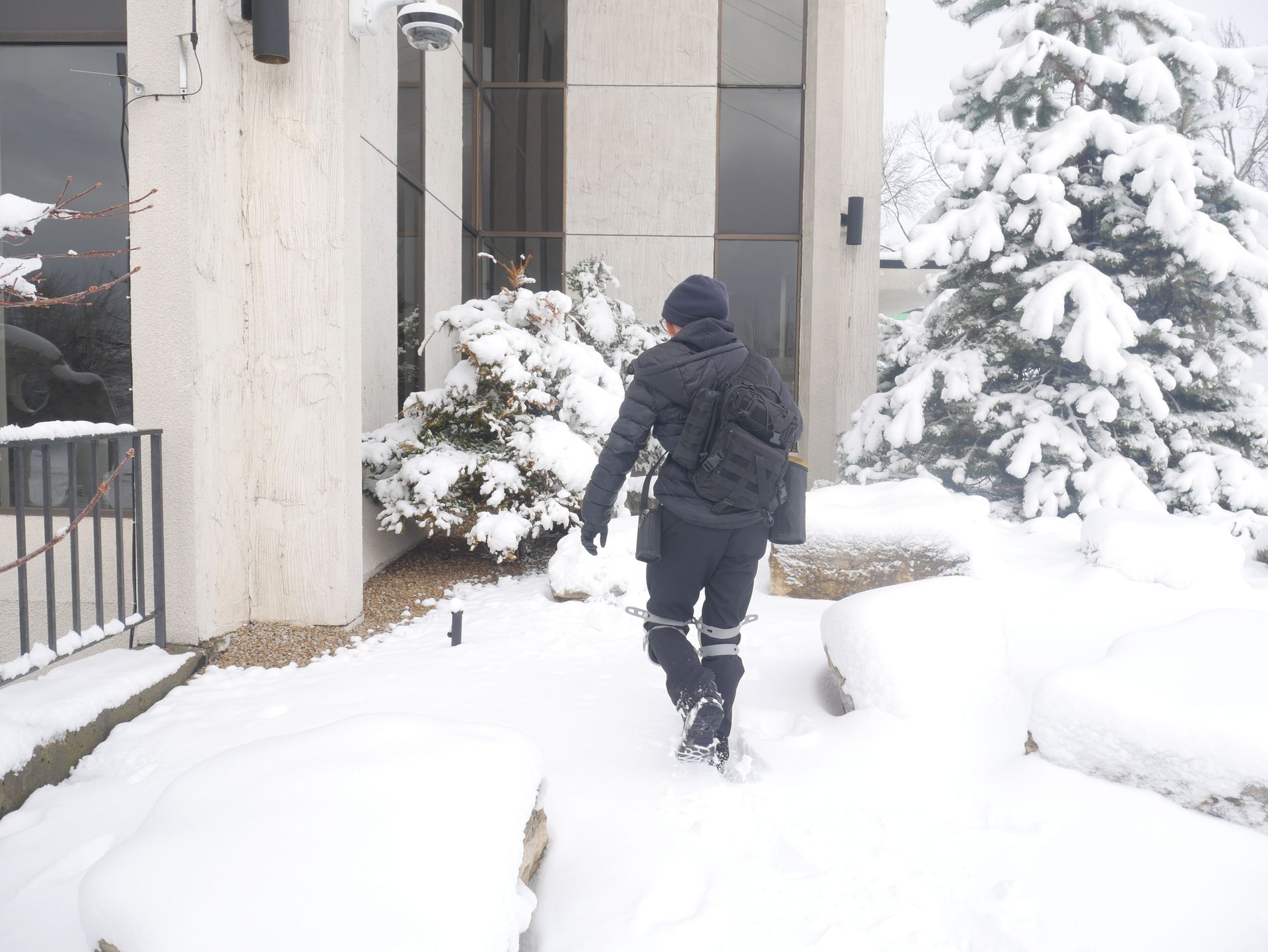
If you live in Minnesota or Wisconsin, you know spring doesn’t arrive in a straight line. One week it’s 50 degrees and sunny… the next, a full-blown blizzard rolls through.
While this back-and-forth might feel like a joke to us, it has a very real impact on pest activity. In fact, these sudden weather swings often lead to an increase in pest problems—not a decrease.
Welcome to what we call the “False Spring” effect.
What Is the “False Spring” Effect?
A “false spring” happens when temperatures rise early, signaling to pests that winter is over. Warmer days trigger movement, feeding, and even early nesting behavior.
But when a sudden cold snap or snowstorm hits, pests aren’t prepared to go back into full winter mode.
Instead, they adapt—and that usually means moving closer to your home.
Why Pests Wake Up Early
Just like plants and animals, many pests rely on temperature cues to determine when to become active again.
During a warm stretch:
- Rodents begin searching for food and nesting areas
- Insects start emerging from overwintering spots
- Spiders become more mobile as their prey increases
To pests, it feels like spring has officially arrived.
Then the Blizzard Hits… Now What?
When temperatures suddenly drop again, pests don’t just disappear. They look for shelter—and your home becomes the perfect option.
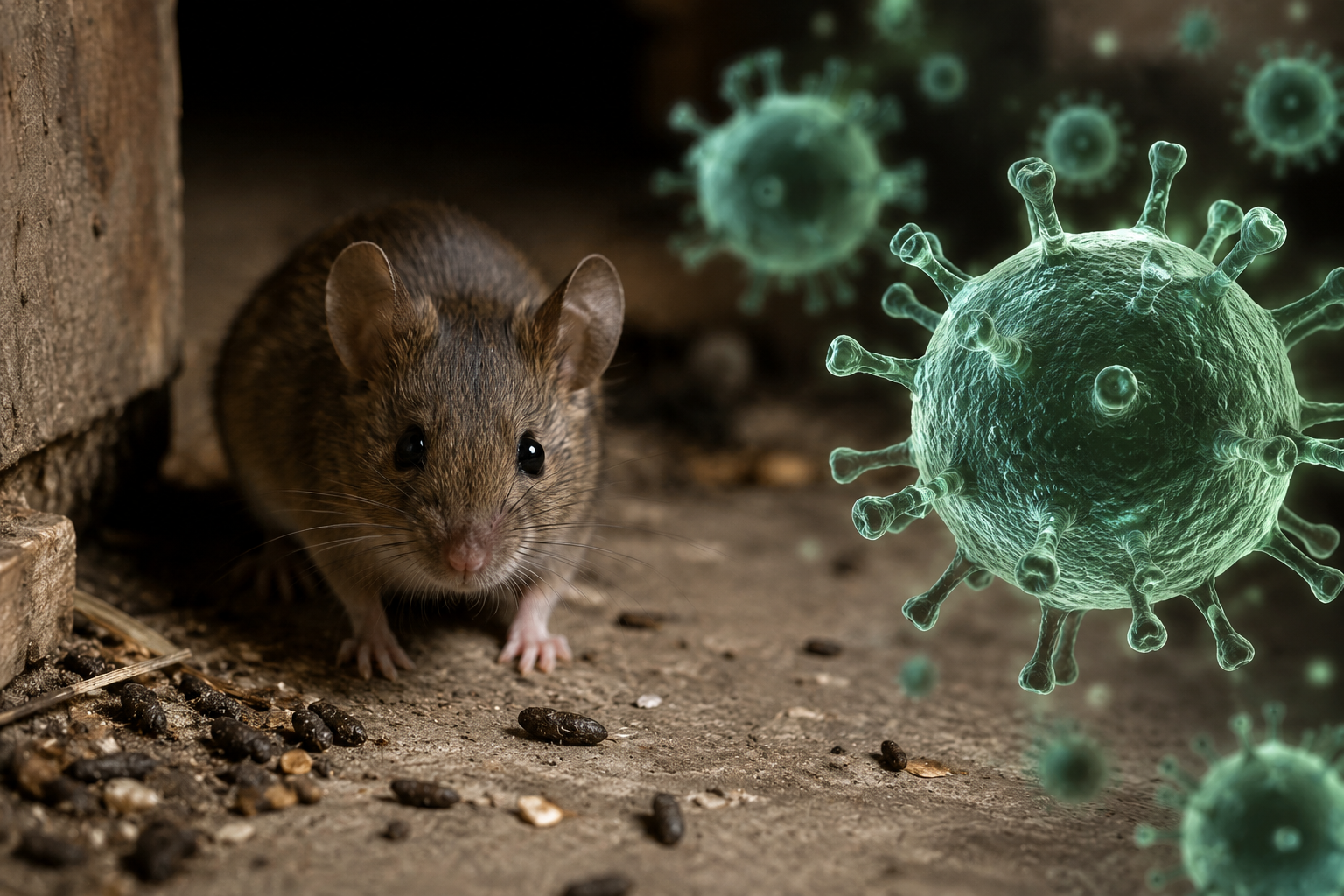
Rodents (Mice & Rats)
Rodents are one of the biggest concerns during a false spring.
- They’ve already become active and started exploring
- A sudden storm pushes them to seek warmth and safety
- Homes, garages, and attics become prime targets
You may notice:
- Scratching in walls or ceilings
- Droppings in storage areas
- Increased sightings in garages or basements
Spiders & Other Insects
Cold snaps don’t eliminate insects—they just drive them deeper into hiding.
- Spiders retreat into wall voids and corners
- Insects tuck into cracks, basements, and insulation
- Activity becomes less visible—but still present
Once temperatures rise again, they re-emerge quickly.
Overwintering Pests
Some pests, like boxelder bugs and stink bugs, may already be inside your home before winter even ends.
- They remain dormant during cold periods
- A brief warm-up may bring them out
- Another cold snap slows them down—but doesn’t remove them
This leads to waves of activity as temperatures fluctuate.
Why You Might See MORE Pests Right Now
It may seem strange, but late winter storms often lead to increased pest sightings.
Here’s why:
- Snow cover removes outdoor shelter
- Food sources become limited
- Temperature swings displace pests from their normal habitats
In simple terms: pests are being pushed out of their environment—and into yours.
The Real Risk Comes After the Storm
The biggest issue isn’t just the storm itself—it’s what happens next.
As temperatures warm again:
- Pest activity ramps up quickly
- Rodents begin breeding
- Small problems can grow fast
That one mouse you noticed? It may not stay just one for long.
What Homeowners Should Do During a False Spring
The best time to act is right now—before pest populations grow.
Here are a few simple steps:
- Inspect your home’s exterior for gaps or cracks
- Seal entry points around doors, windows, and foundations
- Keep garage doors closed as much as possible
- Pay attention to early signs like noises or droppings
- Schedule a professional inspection if something feels off
Don’t Let the Weather Catch You Off Guard
Minnesota and Wisconsin weather is unpredictable—but pest behavior follows a pattern.
The “False Spring” effect creates the perfect storm for increased pest activity, especially around homes. Taking action early can prevent a small issue from turning into a much bigger problem.
If you’ve noticed signs of pests after the recent warm-up and snowstorm, now is the time to act—before spring truly arrives.